
Reetha Soap Making Process
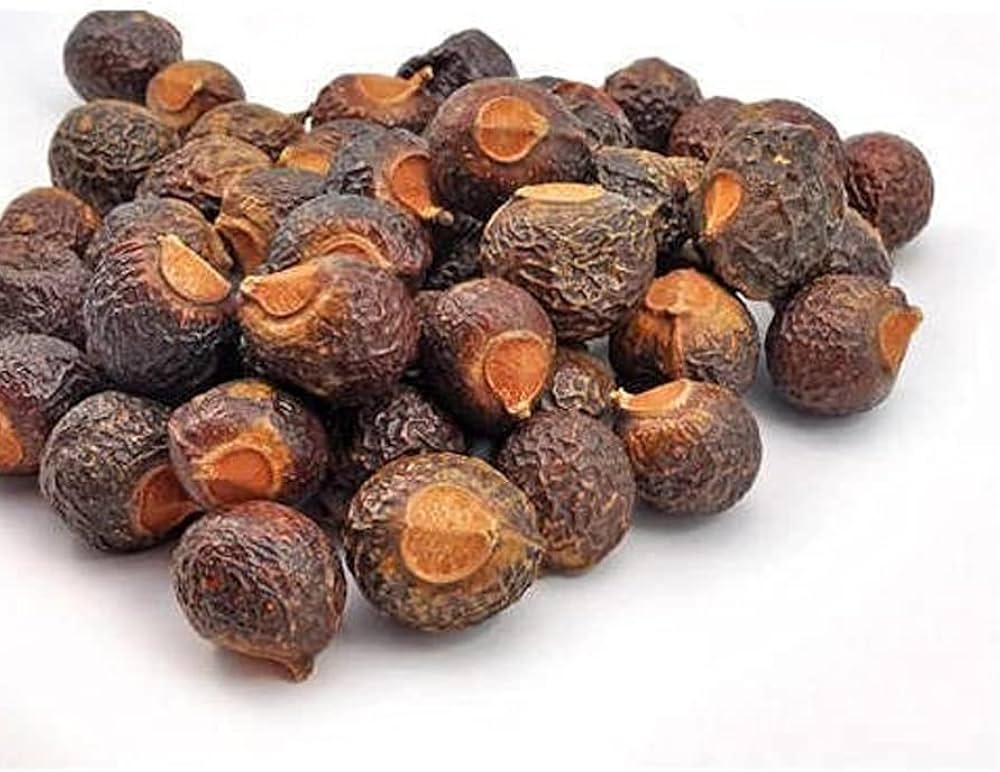
Reetha Soap Making Process is a traditional and natural method of making herbal soap using soapnut extract, widely valued for its gentle cleansing and eco-friendly properties.
The Reetha Soap Making Process is gaining popularity as consumers shift toward natural, chemical-free, and eco-friendly personal care products. Reetha, also known as Soapnut, contains natural saponins that cleanse the skin gently without causing dryness or irritation. This article explains the complete Reetha Soap Making Process step by step, making it easy to understand for beginners as well as small-scale manufacturers.
Reetha Soap Making Process
Reetha Soap Making Process is a traditional and natural method of making herbal soap using soapnut extract, widely valued for its gentle cleansing and eco-friendly properties.
The Reetha Soap Making Process is gaining popularity as consumers shift toward natural, chemical-free, and eco-friendly personal care products. Reetha, also known as Soapnut, contains natural saponins that cleanse the skin gently without causing dryness or irritation. This article explains the complete Reetha Soap Making Process step by step, making it easy to understand for beginners as well as small-scale manufacturers.
What Is Reetha (Soapnut)?
Reetha is the dried fruit of the Sapindus tree. When soaked or boiled in water, it releases saponin, a natural foaming and cleansing compound. Traditionally, Reetha has been used in India for washing hair, skin, and clothes due to its mild yet effective cleaning action.
For scientific reference on saponins, you can explore research available on trusted medical databases such as the National Center for Biotechnology Information (NCBI):
👉 https://www.ncbi.nlm.nih.gov/
Why Choose Reetha Soap?

Reetha soap offers several advantages over synthetic soaps:
- 100% natural and herbal formulation
- Free from sulfates, parabens, and harsh chemicals
- Suitable for sensitive and allergy-prone skin
- Mild antibacterial and antifungal properties
- Does not strip natural skin oils
- Fully biodegradable and environmentally safe
Reetha Soap Making Process Explained

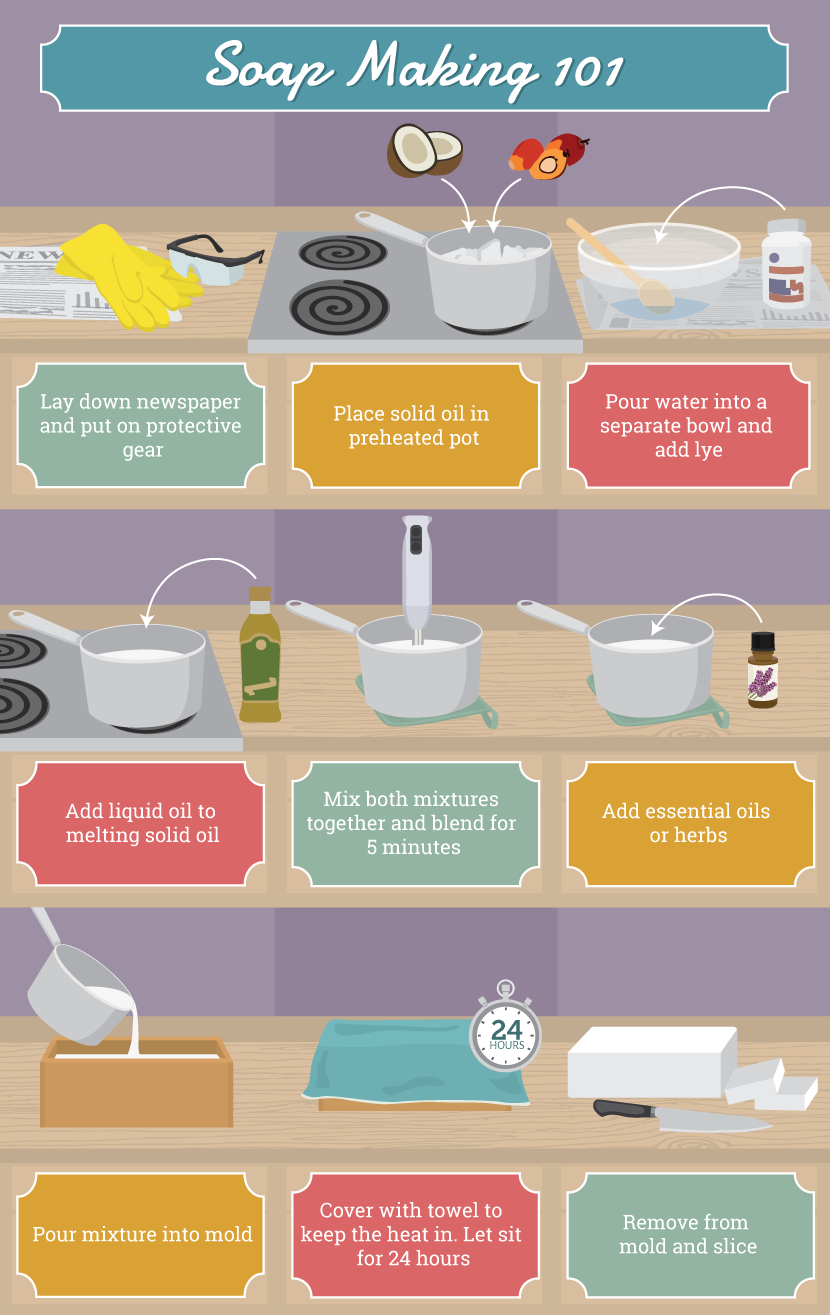
Reetha Soap Making Process – Step-by-Step Method
Step 1: Selection of Raw Materials
Select high-quality dried Reetha with a dark brown color. Avoid soapnuts that are moldy or extremely brittle, as raw material quality directly affects the final soap performance.
Step 2: Preparation of Reetha Extract
- Break 10–12 dried Reetha into small pieces
- Soak them overnight in 1 liter of clean water
- Boil the mixture for 25–30 minutes the next day
- Allow it to cool and strain the liquid
This strained liquid is the Reetha extract, which acts as the primary cleansing agent in the Reetha Soap Making Process.
Step 3: Melting the Soap Base
Cut a glycerin or herbal soap base into small cubes. Melt it slowly using the double boiler method until a smooth, lump-free liquid is formed. Avoid direct heating to prevent burning.
Step 4: Mixing Reetha Extract
Add the prepared Reetha extract gradually into the melted soap base. Stir continuously to maintain uniform consistency. This step is critical for achieving balanced cleansing strength.
Step 5: Adding Natural Enhancers (Optional)
To improve soap quality, you may add:
- Neem extract for antibacterial protection
- Aloe vera for skin hydration
- Essential oils for natural fragrance
Step 6: Pouring into Moulds
Pour the mixture into clean soap moulds. Gently tap the moulds to remove air bubbles. Leave undisturbed at room temperature for 2–4 hours.
Step 7: Setting and Finishing
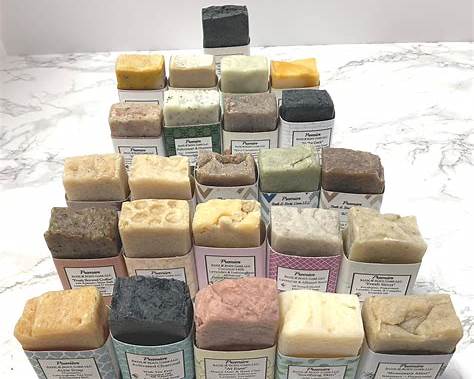
Once fully set, remove the soap from the moulds. Trim edges if needed. The soap is now ready for personal use or packaging.
Uses of Reetha Soap
- Daily bathing soap
- Herbal shampoo bar
- Soap for sensitive and dry skin
- Ayurvedic and natural cosmetic products
You may also explore our detailed guide on Herbal Soap Manufacturing Process to understand other natural soap formulations.
(Internal Link – add your related article here)
Why Reetha Soap Is Eco-Friendly
The Reetha Soap Making Process produces a biodegradable soap that does not pollute water bodies or harm aquatic life. It supports sustainable manufacturing practices and is ideal for eco-conscious brands and consumers.
For more background information on Reetha (Soapnut), you can refer to:
👉 https://en.wikipedia.org/wiki/Sapindus
Market Demand and Business Potential
The demand for herbal and natural soaps is rapidly increasing worldwide. Reetha soap offers:
- Low production cost
- High consumer trust
- Strong export potential
This makes the Reetha Soap Making Process suitable for startups and established herbal soap manufacturers alike.
Conclusion
The Reetha Soap Making Process combines traditional wisdom with modern natural skincare needs. Its gentle cleansing action, eco-friendly nature, and growing market demand make Reetha soap an excellent choice for both personal use and commercial production.
Frequently Asked Questions (FAQs) – Reetha Soap Making Process
What is the Reetha Soap Making Process?
The Reetha Soap Making Process is a natural method of producing herbal soap by extracting saponins from soapnuts and blending the extract with a soap base. This process creates a gentle, chemical-free soap suitable for daily use.
Why is Reetha used in soap making?
Reetha contains natural saponins that act as a cleansing and foaming agent. It cleans effectively without stripping the skin’s natural oils, making it ideal for herbal and sensitive-skin soaps.
Is Reetha soap better than chemical soaps?
Yes, Reetha soap is considered better for skin health because it is free from sulfates, parabens, and artificial detergents. The Reetha Soap Making Process results in a mild soap that reduces dryness and irritation.
Can beginners follow the Reetha Soap Making Process at home?
Yes, the Reetha Soap Making Process is beginner-friendly. With basic ingredients and simple steps, anyone can prepare Reetha soap at home for personal use.
Is Reetha soap suitable for sensitive or dry skin?
Yes, Reetha soap is well-suited for sensitive and dry skin because it cleans gently and helps maintain the skin’s natural moisture balance.
Can Reetha soap be used for hair washing?
Yes, Reetha soap can also be used as a herbal shampoo bar. The natural saponins help cleanse the scalp gently without causing excessive dryness.
Does Reetha soap foam like regular soap?
Reetha soap produces natural and light foam. While the foam is less than chemical soaps, the cleansing effectiveness remains high and skin-friendly.
Is the Reetha Soap Making Process suitable for commercial manufacturing?
Yes, the Reetha Soap Making Process can be scaled for commercial and industrial production. It is widely used by herbal soap manufacturers due to its low cost and growing market demand.
Why is Reetha soap considered eco-friendly?
Reetha soap is biodegradable, plant-based, and does not release harmful chemicals into water systems. The Reetha Soap Making Process supports sustainable and environmentally responsible production.
What is the shelf life of Reetha soap?
When stored in a cool and dry place, Reetha soap typically has a shelf life of 6 to 12 months, depending on formulation and storage conditions.
📍 Company Name:
Shree Balaji Detchem
🏢 Address:143/144, KAMAL ESTATE, NR. BOMBAY CONDUCTOR, VATVA GIDC, AHMEDABAD – 382445
📞 Phone:
+91 94295 09533
📧 Email:
info@shreebalajidetchem.com
sales@shreebalajidetchem.com