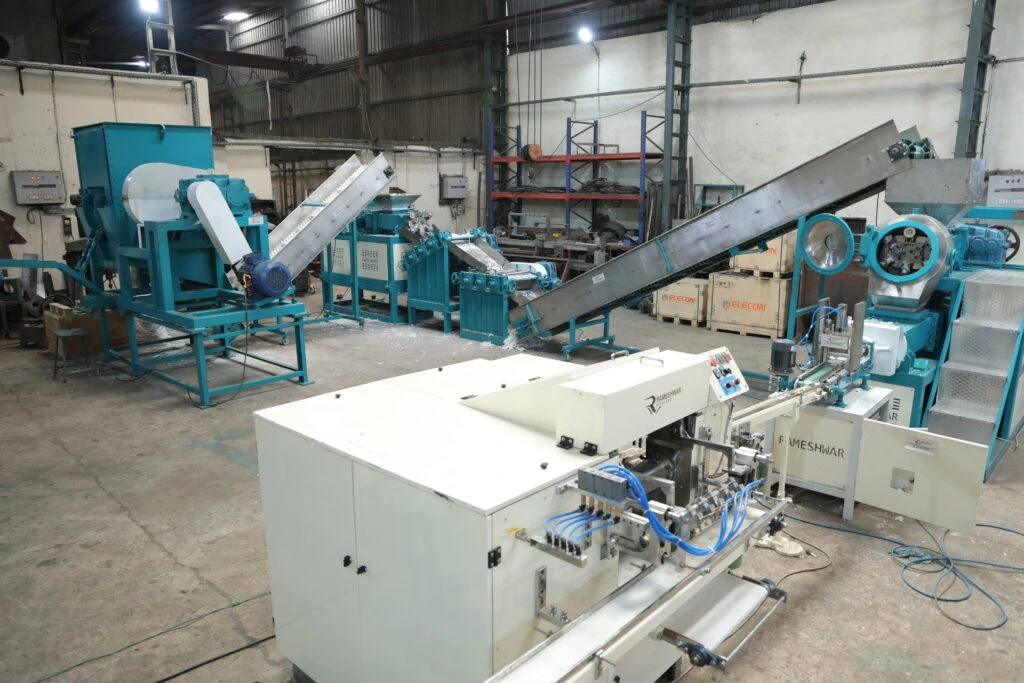
Types of Soap Plants — Which One Makes Sense for You
There is no single “soap plant.” What you need depends on what you want to produce. The main product categories are:
1. Detergent Cake Plant
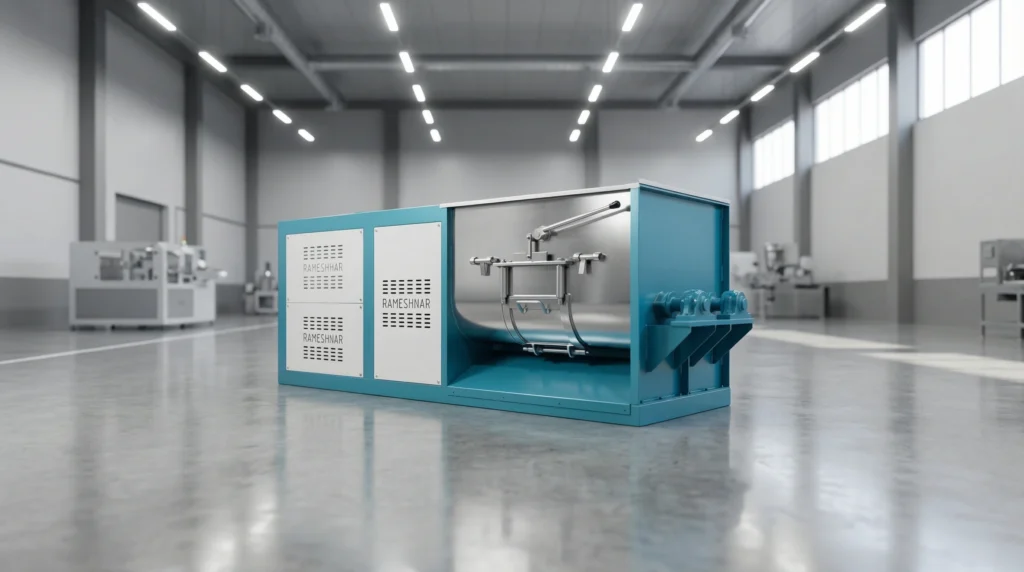
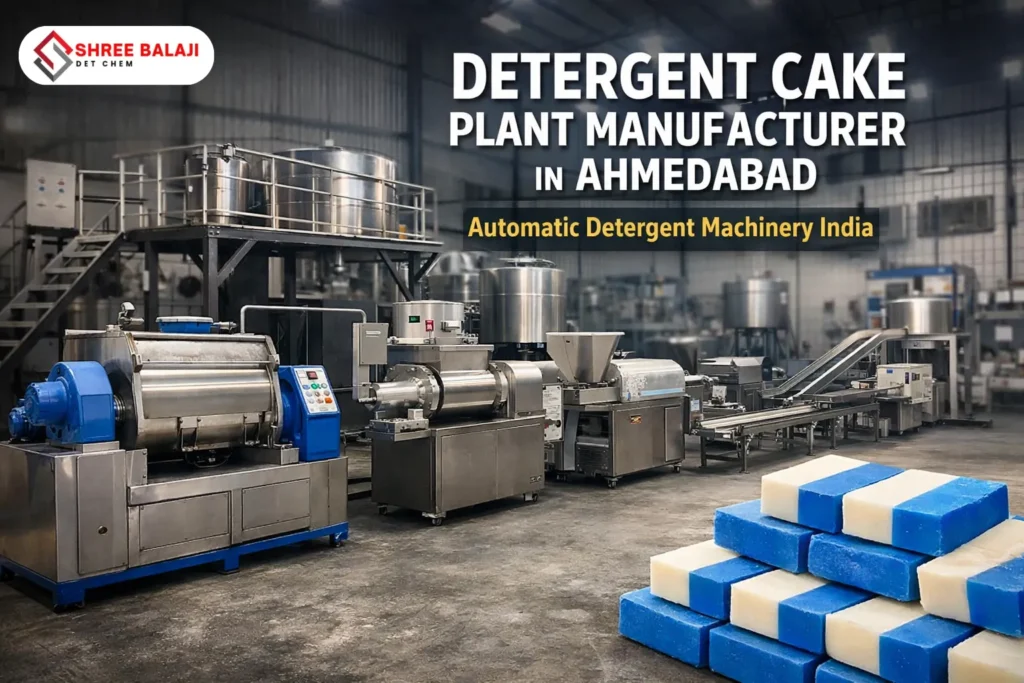
Detergent cake — the solid block washing soap used for laundry — is one of the most common entry points for new manufacturers in South Asia. It has predictable raw material inputs, the machinery is well-established, and the demand is consistent. A mid-scale detergent cake line runs at 500 kg/hour to 2 tonnes/hour depending on the configuration. The core machines in this setup are a sigma mixer, a screw extruder or plodder, a cutter, and a stamp press.
2. Toilet Soap Plant
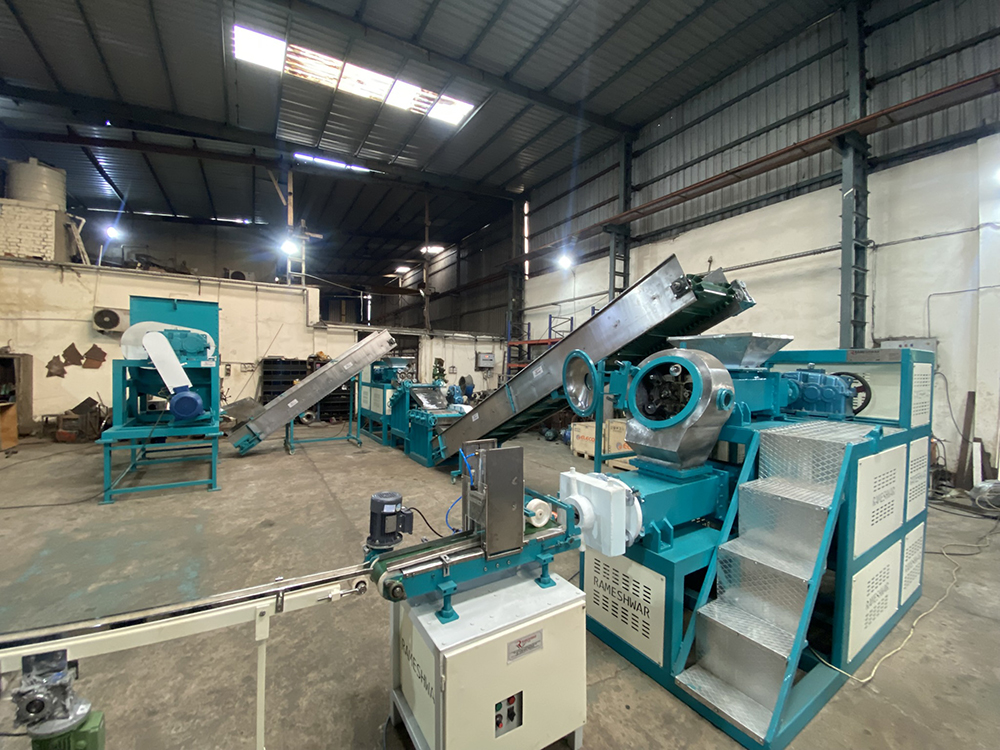
Toilet soap manufacturing requires tighter process control than detergent cake. You are working with higher-purity fatty acid inputs, and the finishing steps — milling, plodding, cutting, stamping, wrapping — need to produce a product that looks premium and lasts in the shower. For Nepal, toilet soap is actually a strong category because imported Indian brands dominate the shelves, and there is real price sensitivity that a quality local brand could exploit.
3. Laundry Soap Plant
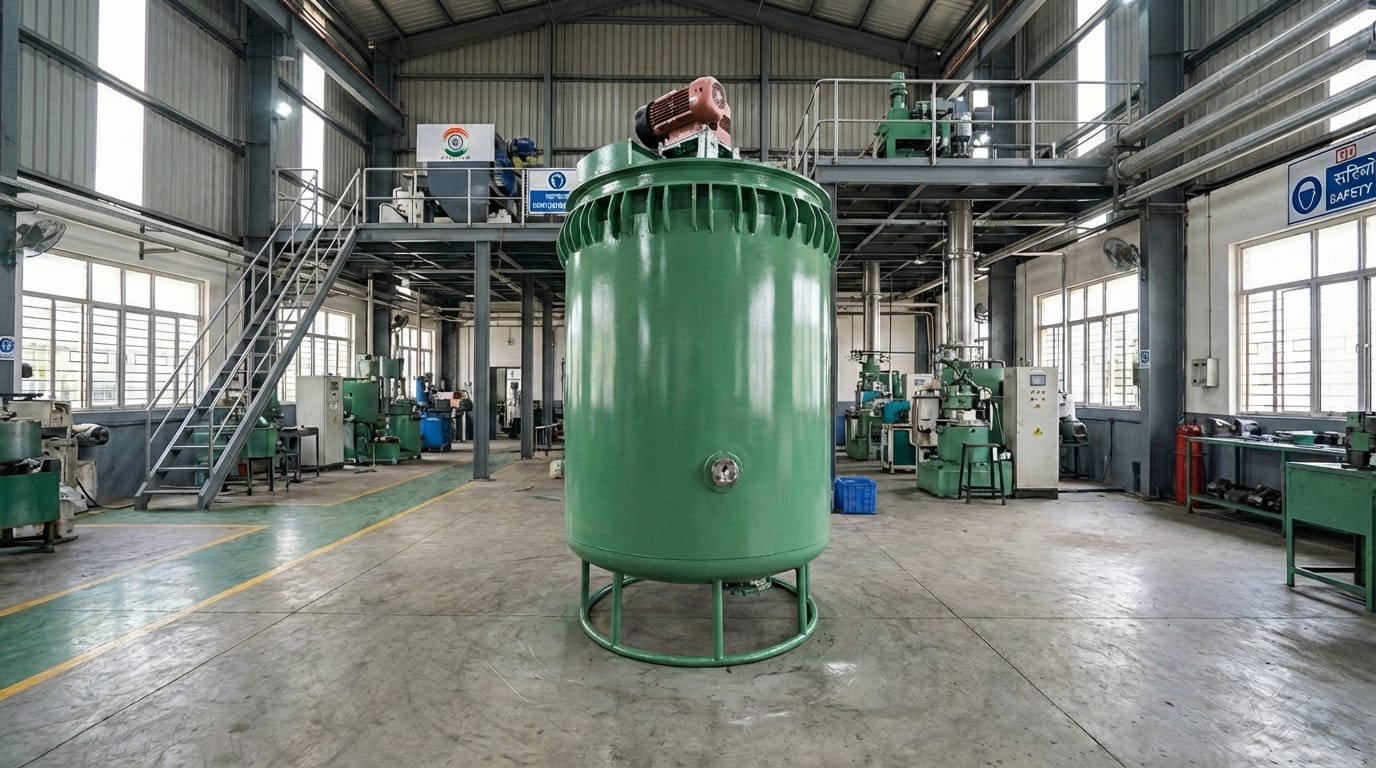
Laundry bar soap is a volume-driven business. Margins are thin, but volume can be high. If you are near a dense urban market like Kathmandu or an industrial city like Biratnagar, laundry soap can work well. The machinery is similar to detergent cake but with adjustments to the formulation feeding system.
4. Detergent Powder Plant
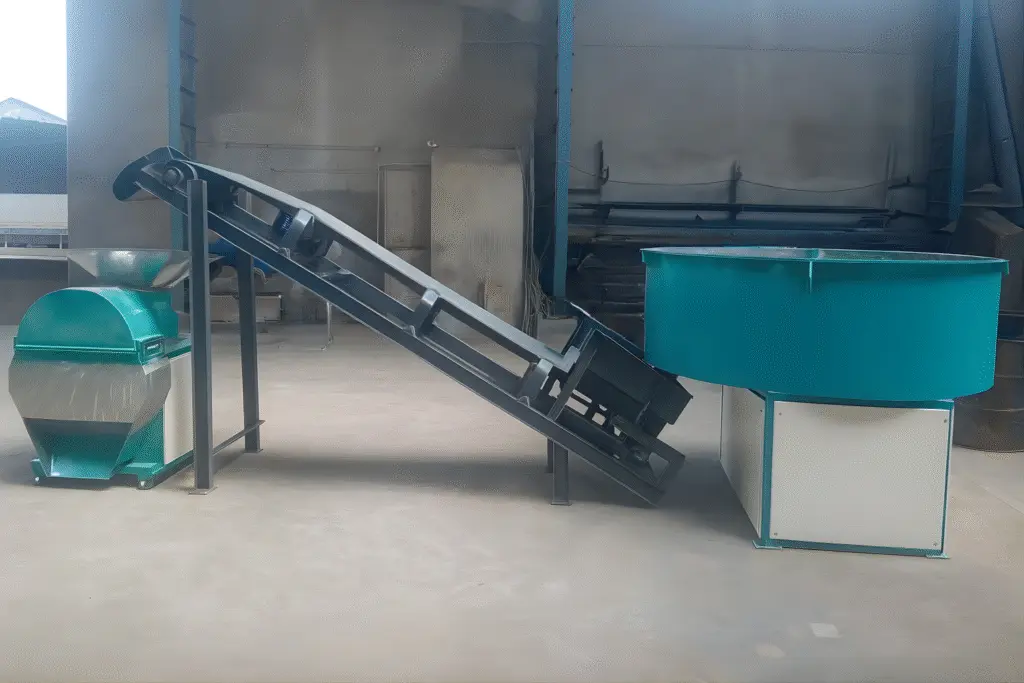
Detergent powder plants are more capital-intensive than solid soap lines. The process involves spray drying, which requires a spray dryer tower and more complex process engineering. For a first-time manufacturer in Nepal, starting with powder can be a difficult entry point unless you have strong working capital and technical support. Some manufacturers run a semi-dry or agglomeration-based process to avoid the spray dryer, which reduces upfront investment significantly.
5. Liquid Detergent Plant
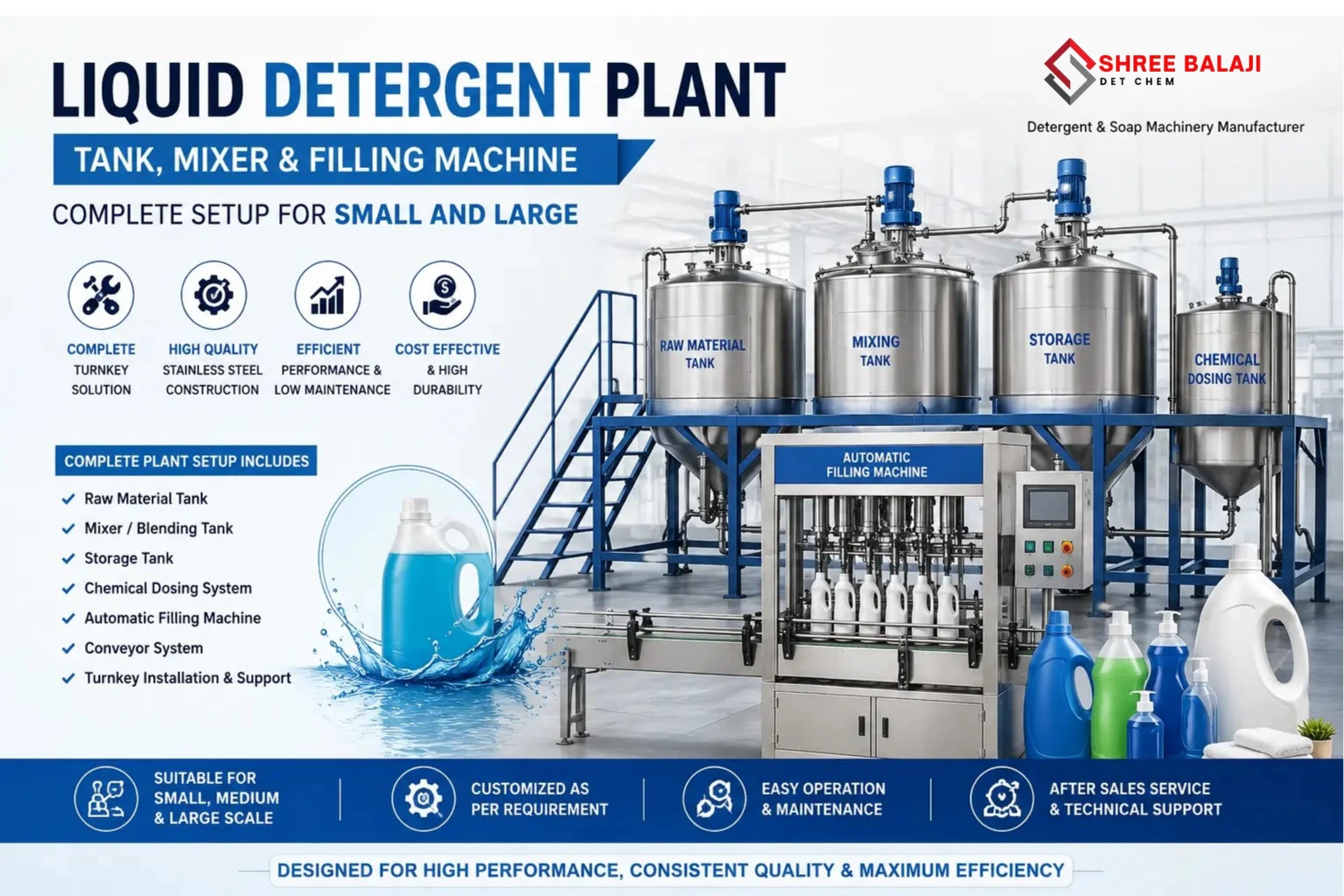
Liquid detergent is the fastest-growing segment in Nepal right now, particularly in urban areas. The plant setup is comparatively simpler — it involves mixing tanks, homogenizers, and a filling line. Capital investment is lower than solid soap or powder lines, making it a good starting point for businesses that want to enter the market quickly.
Machinery List for a Basic Soap Manufacturing Plant in Nepal
A standard turnkey soap plant — covering detergent cake and toilet soap — will include the following equipment:
Core Machinery for Soap Plant (Nepal — Mid Scale) |
1. Sigma Mixer / — blending raw materials |
2. Soap Plodder / Screw Extruder — shaping soap into bar or noodle form |
3. Three-Roll Mill (for toilet soap) — refining texture |
4. Soap Cutter — cutting bars to required dimensions |
5. Soap Stamp Press — embossing brand name / design |
6. Soap Wrapper / Packing Machine — finished product packaging |
7. SS Storage Tanks — for liquid ingredients and intermediate storage |
8. Material Transfer Pump — moving liquids between stages |
9. Trolleys, Conveyors, Framework — material handling |
10. Control Panel — electrical controls for the line |
For a complete liquid detergent line, the list changes — you would need mixing vessels, a high-shear mixer or homogenizer, a viscosity measuring setup, and a liquid filling machine calibrated to your packaging format (pouch, bottle, or sachet).
Cost of Setting Up a Soap Plant in Nepal
This is the question every inquiry starts with, and the honest answer is: it depends on your scale and product type. A ballpark breakdown for reference:
Plant Type | Scale | Approx. Plant Cost (USD) |
Detergent Cake Plant | 500 kg/hr | $18,000 – $35,000 |
Toilet Soap Line | 500 kg/hr | $25,000 – $55,000 |
Laundry Soap Plant | 1 TPH | $22,000 – $40,000 |
Detergent Powder (Agglomeration) | 250 kg/hr | $30,000 – $60,000 |
Liquid Detergent Plant | 500 L/hr | $12,000 – $28,000 |
Full Turnkey (Multi-product) | Customised | $80,000 – $180,000+ |
These figures cover machinery FOB price from an Indian manufacturer. Add freight (typically $800–$2,500 for Nepal depending on mode and quantity), customs duties, installation, and commissioning charges. Civil construction — building or modifying your factory space — is separate.
Importing Soap Machinery from India to Nepal — What the Process Looks Like
Nepal and India share an open border under the Indo-Nepal Trade Treaty, which means most industrial machinery moves with relatively low friction. Here is what the import process typically looks like:
- Supplier in India issues a commercial invoice, packing list, and certificate of origin.
- Customs clearance happens at the Nepal border point — Birgunj/Raxaul is the most common entry point for machinery from Gujarat.
- Nepal customs duty on industrial machinery varies. Most processing equipment falls under HS codes where the duty is moderate. Your customs broker will confirm exact rates.
- Some equipment may need a pre-shipment inspection certificate. Check current Nepal Department of Customs requirements before finalizing orders.
- GST/VAT: goods imported into Nepal are subject to Nepal VAT at 13% unless exempt. Capital goods used in manufacturing often qualify for VAT deferral under the Nepal Industries Act.
Transit time from Ahmedabad or Gujarat to Nepal (Kathmandu or Biratnagar) by road is typically 6–10 days. By rail to Raxaul and then road to your site, it can be slightly longer but often cheaper for heavier loads.
What to Look for in a Machinery Supplier
This is where many Nepal-based manufacturers have run into trouble. The market has a range of suppliers — from well-established manufacturers who have been shipping to South Asia for decades, to brokers who resell equipment at a markup with minimal after-sales support. A few things worth checking:
- Does the supplier manufacture in-house, or are they a trading company? In-house manufacturers can give you better technical specs and faster lead times.
- Do they have documented exports to Nepal, Bangladesh, Sri Lanka, or similar markets? South Asian experience matters — infrastructure and power conditions are different from, say, the Middle East or Europe.
- What does after-sales support look like? For a plant in Kathmandu or Biratnagar, getting a service engineer from Ahmedabad is a day’s travel. Find out if the supplier has a service protocol.
- Can they provide a plant layout drawing and process flow diagram? This tells you a lot about how serious they are about the application, versus just selling individual machines.
- References from existing clients — ideally in Nepal or similar markets — are a fair ask.
About Shree balaji detchem
Shree balaji detchem is an Ahmedabad-based manufacturer of soap and detergent plant machinery with export experience across 15+ countries including markets in South Asia, Africa, and the Middle East. We manufacture detergent cake plants, toilet soap lines, laundry soap plants, detergent powder lines, and liquid detergent plants in-house from our facility at Vatva GIDC Phase-4, Ahmedabad.
Our clients include Nirma, Ghadi, Unilever, Fena, and Rin. We have supplied machinery to Nepal-based manufacturers and can provide full turnkey project support including plant layout, process design, machinery supply, installation, and operator training.
If you are planning a soap or detergent plant in Nepal — whether you are starting fresh or expanding an existing facility — you can contact us directly for a project consultation and equipment quote.
Contact shree balaji detchem for Nepal Soap Plant Inquiry |
Website: shreebalajidetchem.com |
Factory: Vatva GIDC Phase-4, Ahmedabad, Gujarat, India |
Export Markets: Nepal, Bangladesh, Sri Lanka, Kenya, Ethiopia, UAE, Nigeria, and 10+ more |
Products: Detergent Cake Plant | Toilet Soap Line | Laundry Soap | Detergent Powder | Liquid Detergent |
Frequently Asked Questions
Is soap manufacturing profitable in Nepal?
Yes, for the right product and the right scale. Toilet soap and liquid detergent have the best margin profiles currently. Detergent cake is competitive but volume-driven. Any serious market entry needs a local sales and distribution plan — the machinery is only one part of the picture.
How long does it take to set up a soap plant in Nepal?
From finalising your order to a running production line, allow 3–5 months. This includes manufacturing time (typically 60–90 days for a full line), shipping and customs clearance (2–4 weeks), civil preparation at your site, installation, and commissioning. If your factory building is already ready, the timeline shortens.
Can I start with a small soap plant in Nepal?
Yes. Entry-level lines for detergent cake or liquid detergent can run at 200–300 kg/hour with a capital investment well under $20,000. These are practical starting points if you want to test the market before scaling.
What raw materials are needed for a soap plant in Nepal?
Caustic soda (NaOH), fatty acids or tallow, sodium silicate, fillers (for detergent cake), fragrance, colour, and packaging materials. Most raw material suppliers are based in India and ship to Nepal regularly. Lead time is manageable if you plan your procurement 4–6 weeks ahead.
Does RSF provide installation support in Nepal?
Yes. shree balaji detchem offers installation and commissioning at the client site. Our engineers have worked in Nepal and are familiar with the site conditions and logistics involved. Training your operators is part of the commissioning process.